The silver service set was originally designed and produced for use on the battleship USS Iowa BB-4. But it was not the only US Navy ship the set was used on. It was used on no less than 4 US Navy ships, two were named USS Iowa, two were not. The US Navy still owns the silver service set and it is currently on loan to the State of Iowa who puts it on display at the state historical museum in Des Moines from time to time. Many people think the State of Iowa should return it to the battleship USS Iowa BB-61 which is currently a museum in San Pedro, California. What they may not realize is it is not up to the State of Iowa but it is the decision of the United States Navy. During its history USS Iowa BB-61 was not the last ship to have the set on board. That honor fell to the aircraft carrier USS Abraham Lincoln CVN-72. Currently a new Virginia Class attack submarine is being built which will be called USS Iowa SSN-797 is being built. Perhaps the US Navy will issue the silver service set to be used on board the new sub named for the state of Iowa.
Timeline
June 15, 1896 to 1923 - Funds in the amount of $5000.00 are appropriated for the silver service set to be used on board the battleship USS Iowa BB-4. The set is used on board until the ship is put out of service.
May 17, 1920 to August 17 1923 - The third ship to be named USS Iowa BB-53 was under construction until a treaty limiting naval armaments halted the building of the new battleship. This would likely have been the second US Navy ship to have the silver service set placed on board for use.
1923 to 1945 - The silver service set is returned to the State of Iowa.
1945 to 1949 - After the end of WWII the silver service set is placed on board battleship USS Iowa BB-61 to be used for ceremonies.
1949 to 1951 - The silver service set is placed on board the cruiser USS Des Moines CA-134.
1951 to 1958 - The US Navy places the silver service set in storage.
1958 to 1984 - The US Navy places the silver service set into the care of the State of Iowa.
1984 to 1990 - The US Navy places the silver set on board the battleship USS Iowa BB-61 for what would be the final time.
1990 to 1992 - The US Navy transfers the silver service set from the battleship USS Iowa to aircraft carrier USS Abraham Lincoln CVN-72. This was the last US Navy ship to use the silver service set.
1992 to Present - The US Navy places the silver service set back with the State of Iowa where it remains to this day.
2015 to Present - Construction of new Virginia Class Attack Submarine USS Iowa SSN-797 is announced and may be ready by 2020. Perhaps the US Navy will assign the silver service set originally used on board the battleship USS Iowa BB-4 to the new sub.
References:
Iowa Department of Cultural Affairs
State Historical Society of Iowa
State Historical Society of Iowa, The Annals of Iowa, Silver Service of the Battleship Iowa
National Archives Catalog, USS Iowa BB-61
The Iowan History Letter, Vol. 3 Number 2 2nd Quarter, 2014
NBC News story: USS Iowa, the last battleship, filled with memories as it arrives at new home
Simon Conway: Why Hasn't The USS Iowa's Bell And Silverware Been Returned To The Ship?
WHOTV: Navy to Build a New USS Iowa as Submarine
Americas Navy: Secretary of the Navy Ray Mabus Names Virginia-Class Submarine
The Des Moines Register: New Navy submarine will be named USS Iowa
Previous article about the silver service set: USS Iowa, BB4: A Service of Silver, Tribute to the USS Iowa
Previous articles in the USS Iowa series:
USS Iowa, 1868 - 1883
USS Iowa, BB4
USS Iowa, BB4: A Service of Silver, Tribute to the USS Iowa
USS Iowa BB53: The battleship that almost was.
USS Iowa, BB61: General Characteristics, Statistics, Battleship of Presidents and Sister Ships
USS Iowa, BB61: Chronology
USS Iowa, BB61: Awards, Stars, Ribbons and Citations
USS Iowa, BB61: Photographic History
BB-61
USS Iowa Interpretive Panels - Introduction
USS Iowa Interpretive Panels - United States Naval Ship Iowa BB 61, Overview
USS Iowa Interpretive Panels - Armament
USS Iowa Interpretive Panels - Naval Ship Life
USS Iowa Interpretive Panels - USS Battleship Lineage
USS Iowa Interpretive Panels - Construction and Commissioning
USS Iowa Interpretive Panels - WWII and the Roosevelt Era
USS Iowa Interpretive Panels - Korean War, Vietnam and Cold War Era
Showing posts with label battleship. Show all posts
Showing posts with label battleship. Show all posts
Friday, May 6, 2016


Tuesday, October 29, 2013
USS Iowa BB53: The battleship that almost was.
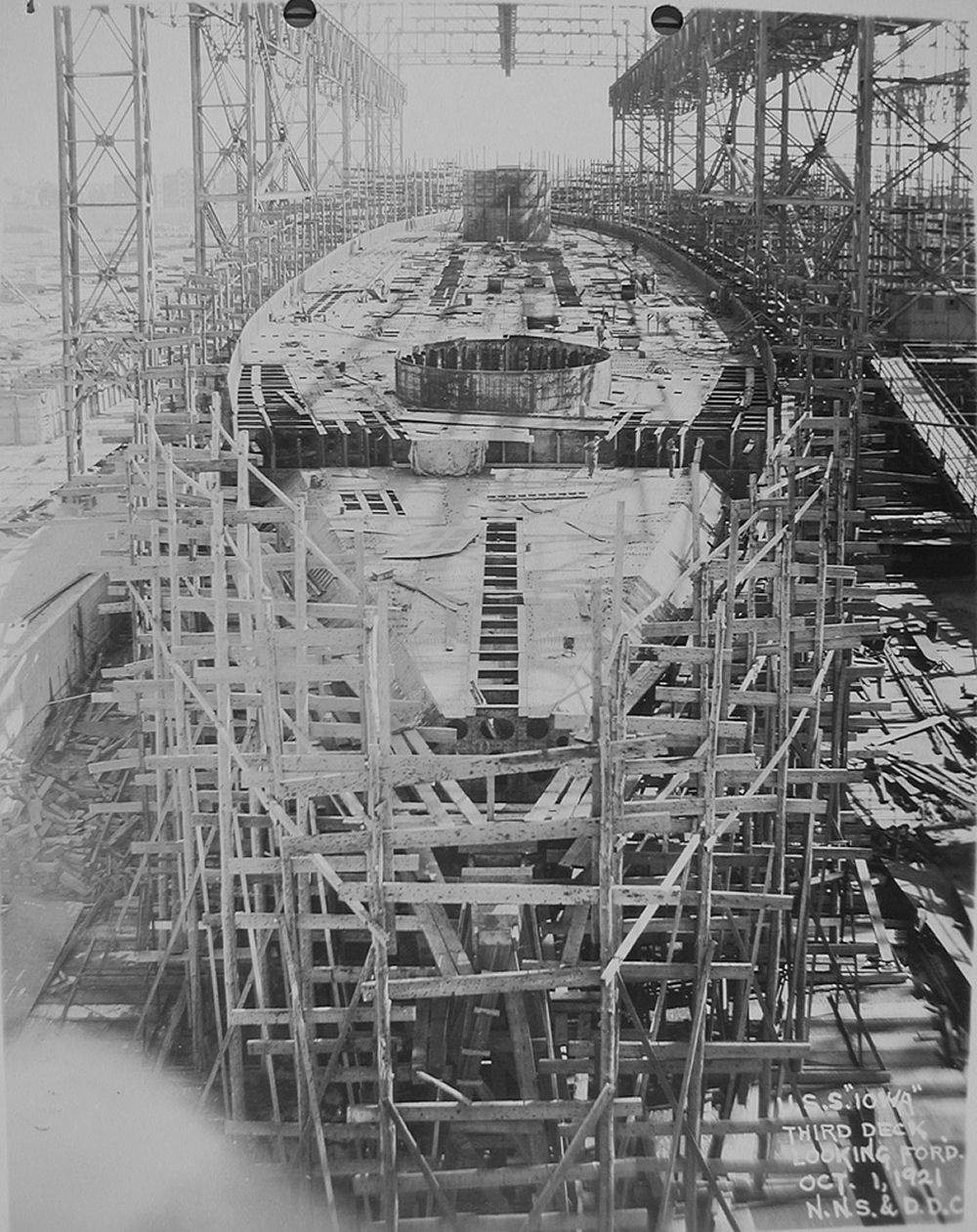
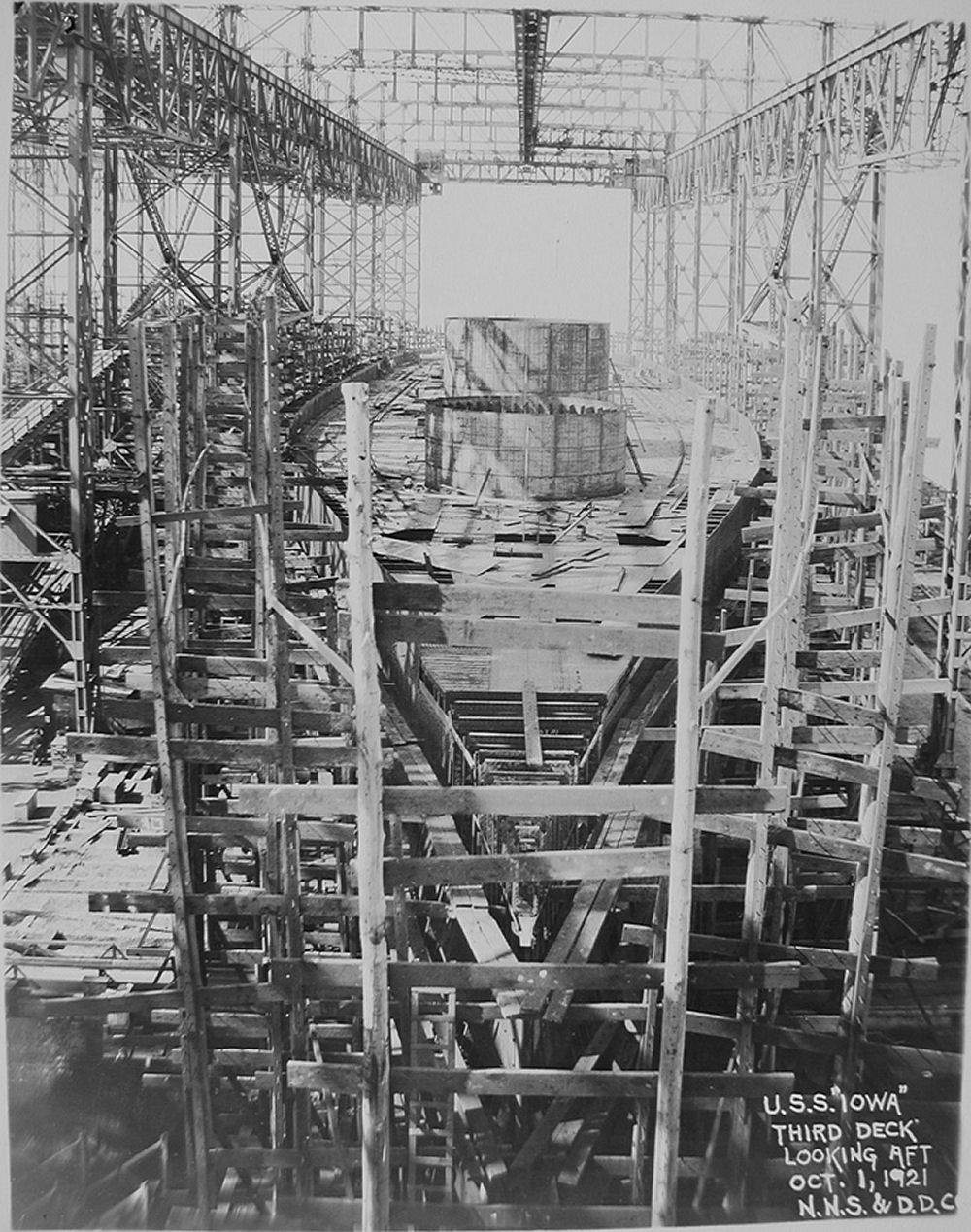
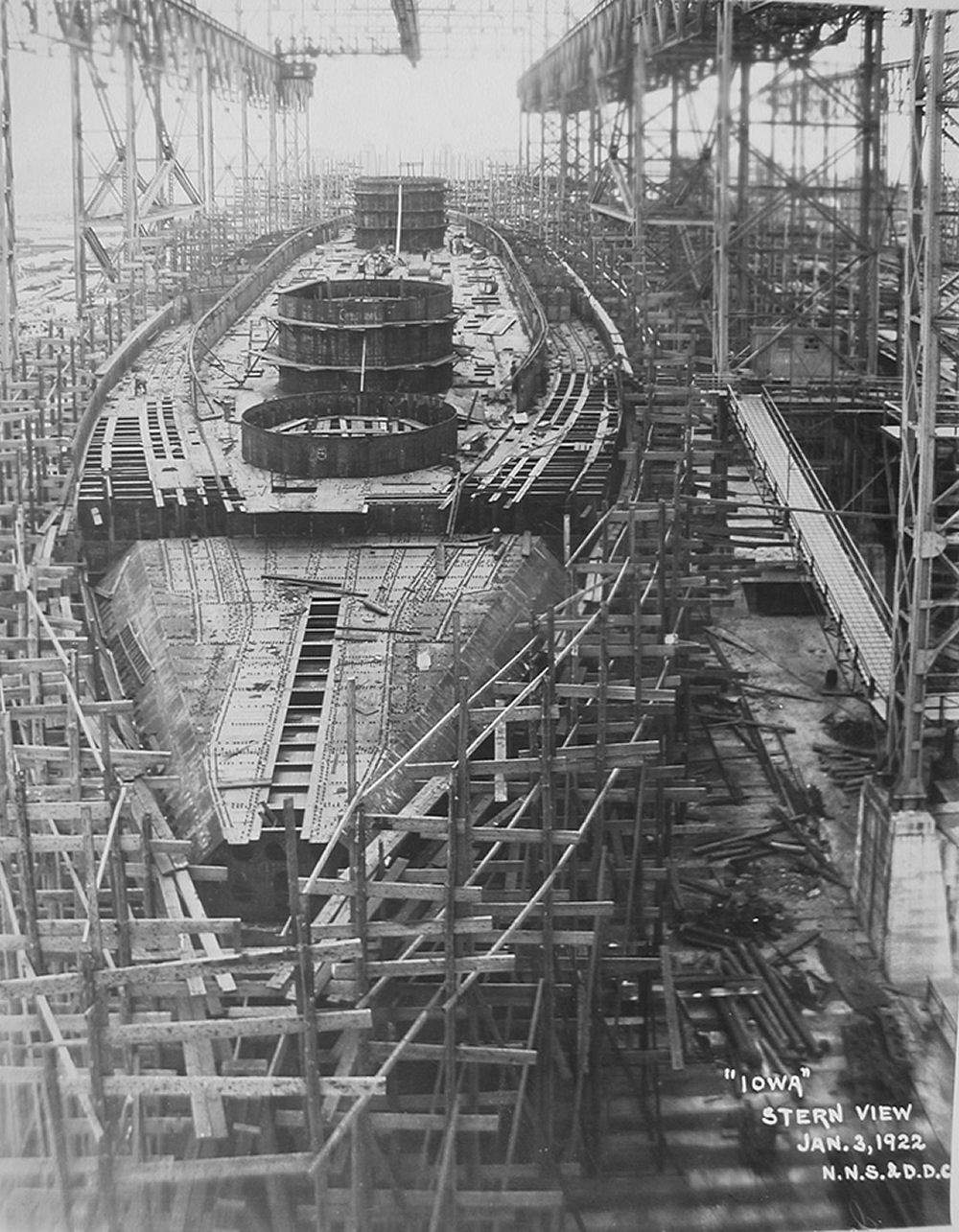
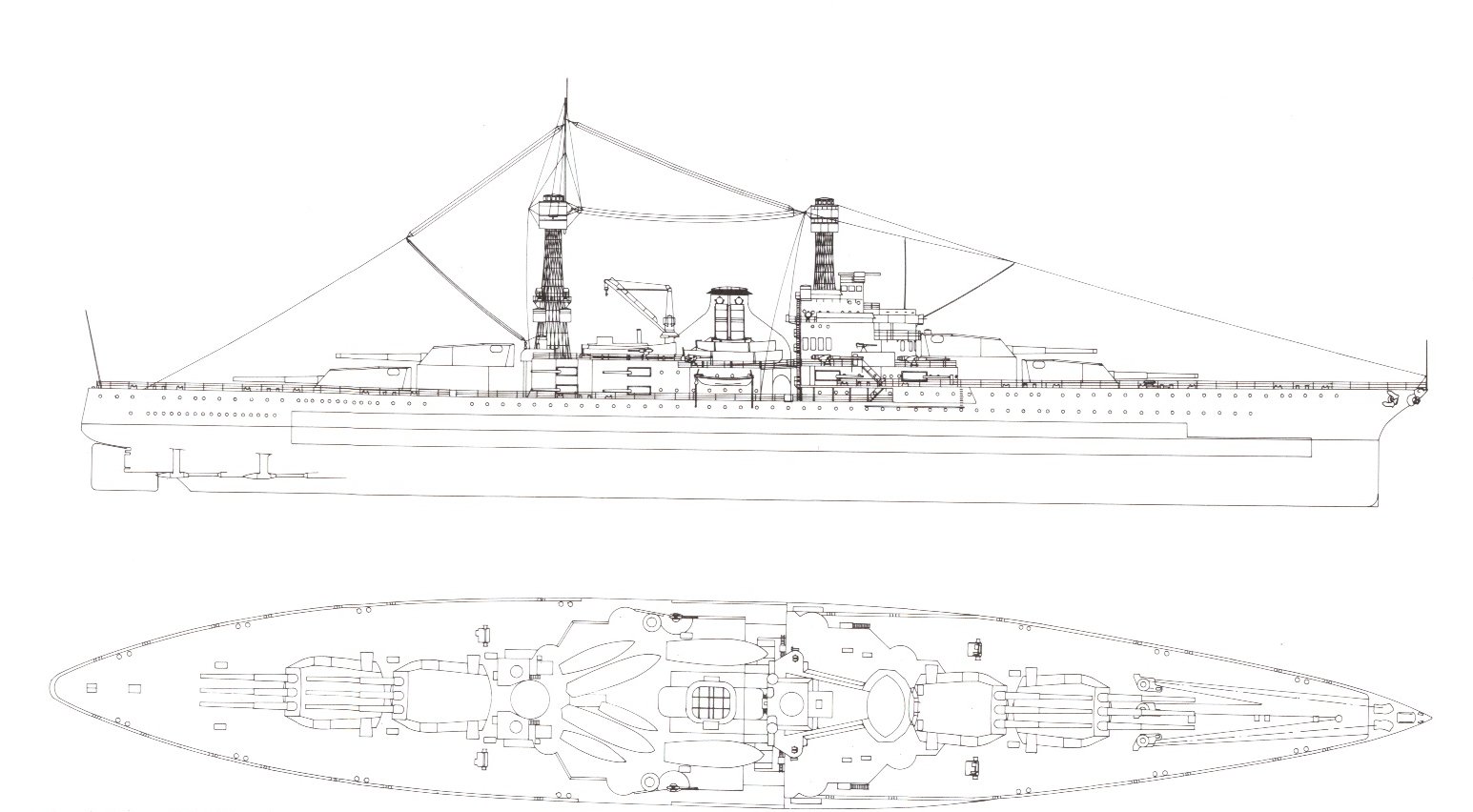
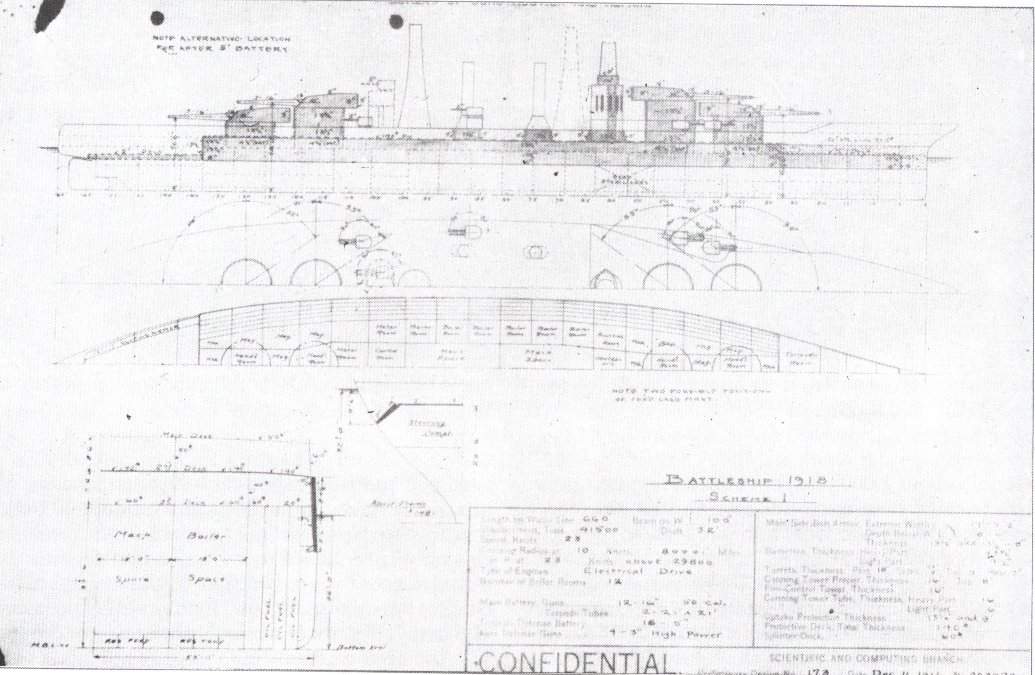
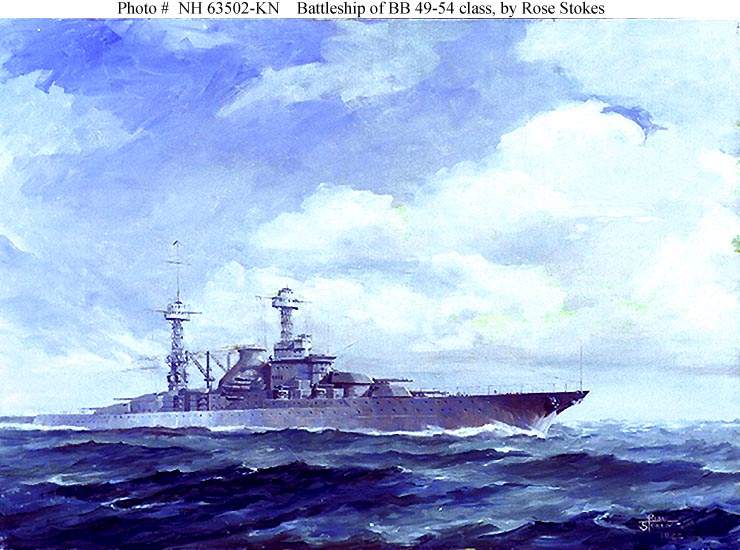
BB53 would have been the third battleship to carry the name of USS Iowa. Her keel was laid but her construction was never finished.
General Characteristics/Statistics:
Class: South Dakota
Name: USS Iowa BB53
Operator: United States Navy
Builder: Newport News Shipping and Drydock Company
Preceded by: Colorado Class
Succeeded by: North Carolina Class
Type: Battleship
Displacement: 43,200 tons standard/47,000 tons full
Length: 684 feet
Beam: 105 feet
Draft: 33 feet
Speed: 23 knots
Shaft Horsepower: 60,000
Engine Manufacturer: G.E.
Engine Type: Turbine, electric drive
Screws: 4
Compliment: 1351
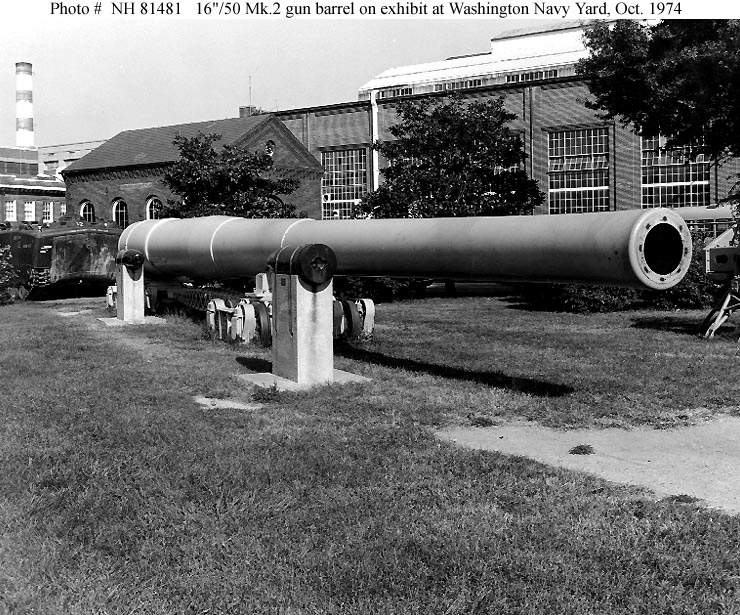
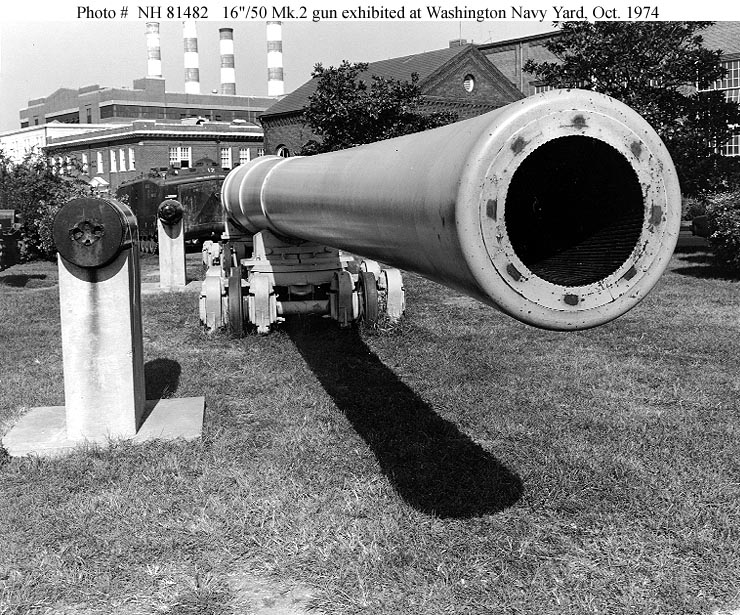
Armament: 12 x 16 inch/50 caliber, 16 x 6 inch/53 caliber guns, 4 x 3 inch/50 caliber guns, 2 x 21 inch torpedo tubes
Armor: Belt: 8-13.5 inch, Barbettes: 13 inch, Turret face: 18 inch, Turret sides: 9-10 inch, Turret top: 5 inch, Turret rear: 9 inch, Conning tower: 11.5 inch, Decks: 3.5 inch
Timeline:
April 30, 1919 - USS Iowa BB4 was renamed to Coast Battleship No. 4 to free her name for one of the six new South Dakota Class Battleships to be constructed.
May 17, 1920 - Keel laid down.
1920 to 1922 - Work progressed on the ship.
February 8, 1922 - At 31.8% complete work was suspended.
August 17, 1923 - Construction was cancelled in accordance with the terms of the Washington Treaty limiting Naval armaments.
November 8, 1923 - Sold for scrap.
The main guns were transferred to the U.S. Army to replace existing heavier guns as coastal batteries. The secondary guns were transferred to other U.S. Navy ships in the fleet.
It would be another 20 years before the next USS Iowa is launched.


Previous articles:
USS Iowa 1868 - 1883
USS Iowa, BB4
USS Iowa, BB4: A Service of Silver, A Tribute to the USS Iowa
Info source:
Wikipedia: USS Iowa BB53
Combie.net: USS Iowa BB53
General Characteristics/Statistics:
Class: South Dakota
Name: USS Iowa BB53
Operator: United States Navy
Builder: Newport News Shipping and Drydock Company
Preceded by: Colorado Class
Succeeded by: North Carolina Class
Type: Battleship
Displacement: 43,200 tons standard/47,000 tons full
Length: 684 feet
Beam: 105 feet
Draft: 33 feet
Speed: 23 knots
Shaft Horsepower: 60,000
Engine Manufacturer: G.E.
Engine Type: Turbine, electric drive
Screws: 4
Compliment: 1351
Armament: 12 x 16 inch/50 caliber, 16 x 6 inch/53 caliber guns, 4 x 3 inch/50 caliber guns, 2 x 21 inch torpedo tubes
Armor: Belt: 8-13.5 inch, Barbettes: 13 inch, Turret face: 18 inch, Turret sides: 9-10 inch, Turret top: 5 inch, Turret rear: 9 inch, Conning tower: 11.5 inch, Decks: 3.5 inch
Timeline:
April 30, 1919 - USS Iowa BB4 was renamed to Coast Battleship No. 4 to free her name for one of the six new South Dakota Class Battleships to be constructed.
May 17, 1920 - Keel laid down.
1920 to 1922 - Work progressed on the ship.
February 8, 1922 - At 31.8% complete work was suspended.
August 17, 1923 - Construction was cancelled in accordance with the terms of the Washington Treaty limiting Naval armaments.
November 8, 1923 - Sold for scrap.
The main guns were transferred to the U.S. Army to replace existing heavier guns as coastal batteries. The secondary guns were transferred to other U.S. Navy ships in the fleet.
It would be another 20 years before the next USS Iowa is launched.

Previous articles:
USS Iowa 1868 - 1883
USS Iowa, BB4
USS Iowa, BB4: A Service of Silver, A Tribute to the USS Iowa
Info source:
Wikipedia: USS Iowa BB53
Combie.net: USS Iowa BB53
USS Iowa, BB4: A Service of Silver, Tribute to the USS Iowa
On display at the Iowa State Historical Building in Des Moines is the 40 piece silver silver service designed for and used on the USS Iowa BB4.


Previous articles:
USS Iowa, BB4
USS Iowa, BB4 was the second U.S. Navy ship so named for the state of Iowa. The men who served on her served their ship and the United States with distinction and honor. BB4 lived up to her namesake and made the people of Iowa proud. A model of the USS Iowa BB4 is on display at the State Historical Building in Des Moines, Iowa.
General Characteristics/Statistics:
Name: USS Iowa (BB-4): Battleship No. 4
Type: Pre-dreadnought battleship
Operator: United States Navy
Builder: William Cramp and Sons
Cost: $3 million
Maiden Voyage: Atlantic Coast
Preceded by: Indiana Class
Succeeded by: Kearsarge Class
Displacement: 11,346 long tones, 11,528 ft
Length: 360 ft
Beam: 72.1 ft
Draft: 24 ft
Installed Power: 11,000 ihp
Propulsion: 2 Vertical reciprocating steam engines with 2 screws
Compliment: 727 officers and men
Armament: 4 x 12 inch /35 guns, 8 x 8 inch /35 guns, 6 x 4 inch/40 guns, 20 x 6 pounders, 4 x 1 pounders, 4 x 14 inch torpedo tubes
Armor: belt: 4-14 inch, barbettes: 12.5-15 inch, main turrets: 15-17 inch, secondary turret: 4-8 inch, conning tower: 10 inch
Timeline:
August 5, 1893 - Keel is laid.
March 28, 1896 - Completed and launched.
June 16, 1897 - Commissioned.
1898 - USS Iowa is put in service and assigned to the Atlantic Fleet with Captain Robley D. "Fighting Bob" Evans in command.
May 28, 1898 - Ordered to blockade duty of of Santiago de Cuba during the Spanish American War.
June 2, 1898 - USS Iowa was part of a squadron of warships that participated in Sampson's Blockade.
July 3, 1898 - USS Iowa was the first to fire on escaping Spanish ships in the Battle of Santiago. The Iowa along with 4 other U.S. Navy ships chased the Spanish cruisers. During the battle a fire broke out on Iowa's lower decks, possible from enemy fire. Fireman Robert Penn extinguished the blaze and was later awarded the Medal of Honor. The USS Iowa also helped rescue Spanish officers and crew from the ships the U.S. Navy fleet fired on and either ran aground or sunk. One of the captured officers was Spanish Captain Don Antonio Eulate. Captain Eulate tried to offer his sword to Captain Evans as a gesture of surrender. Captain Evans declined and returned the sword to Captain Eulate. They were prisoners of war until a prisoner exchange took place.
August 20, 1898 - USS Iowa arrived in New York City. While being towed by four tug boats a hawser broke and the Iowa came very near to colliding with cruiser, Chicago. A new hawser was hurriedly run out to Iowa's bow and attached avoiding the collision.
September 1, 1898 - USS Iowa's engineering crew are honored in New York for their incredible work and keeping the ship operating during the Battle of Santiago.
October 12, 1898 - USS Iowa departs New York City for the Pacific. She sailed though the Straights of Magellan at Cape Horn.
December 17, 1898 - USS Iowa was stationed in Valparaiso, Chile.
December 26, 1898 - USS Iowa was stationed in Callao, Peru. The crew of the Iowa and another U.S. Navy ship gave on board, self created performances for audiences.
February 7, 1899 - USS Iowa arrived in San Francisco, California. While in port the crew presented Captain Evans with a different sword with the inscription: "To our hero-Too just to take a fallen foes- We give this sword instead." Captain Evans thanked the crew for their bravery and respect in a published reply.
June 11, 1899 - USS Iowa entered dry dock in Bremerton, Washington for a refit.
For the next 2 years USS Iowa served in the Pacific Squadron under the command of Captain Goodrich. She performed training cruises, drills and target practice.
August 1, 1900 - British cruiser HMS Phaeton narrowly avoided colliding with Iowa during dense fog near Victoria, British Columbia Canada.
1900 to 1902 - At some point during these years a manhole plate of a boiler blew. The determined action of five crewmen saved the ship from further disaster.
1902 - USS Iowa left the Pacific to become the flagship of the South Atlantic Squadron.
February 1903 - Arrived in New York.
June 30, 1903 - Decommissioned.
December 23, 1903 - Recommissioned and joined the North Atlantic Fleet Squadron.
January 25, 1905 - Five of the USS Iowa's crew: Fireman 1st Class Frederick Behne, Seaman 1st Class Heinrich Behnke, Fireman 1st Class DeMetri Corahorgi, Watertender Patrick Bresnahan, Boilermaker Edward Floyd and Chief Watertender Johannes J. Johannessen received the Medal of Honor for their heroic actions when the manhole plate of a main boiler blew open.
June 23, 1905 - USS Iowa was service in the newly built floating dry dock Dewey.
June 30, 1905 - USS Iowa participated in the John Paul Jones ceremonies.
1905 to 1907 - USS Iowa remained in the North Atlantic.
1906 to 1907 - Future Admiral Raymond A Spruance served on the USS Iowa.
July 6, 1907 - USS Iowa is placed in reserve.
July 23, 1908 - USS Iowa is decommissioned in Philadelphia.
May 2, 1910 - USS Iowa is recommissioned and a new "cage"mainmast is installed. She served as an at sea training ship of the Atlantic Reserve Fleet for Naval Academy Midshipmen.
May 30, 1911 - USS Iowa helped rescue passengers from the sinking Ward liner Merida after it collided with the United Fruit Company's steamship Admiral Farragut in dense fog. All 319 of Merida's passengers remained alive.
1911 to 1914 - USS Iowa made training cruises to Northern Europe.
October 10 to 15, 1912 - USS Iowa participated in the Naval Review at Philadelphia.
May 27, 1914 - Decommissioned in Philadelphia.
April 28, 1917 - USS Iowa is place on limited commission. She served as a receiving ship in Philadelphia for six months.
1917 to 1918 - USS Iowa was sent to Hampton Roads for the duration of World War I. She served as a training vessel for men who served on other ships in the fleet. She also assigned to guard duty at the entrance to Chesapeake Bay.
March 31, 1919 - USS Iowa is decommissioned for the final time.
April 30, 1919 - USS Iowa was renamed to Coast Battleship No. 4 to free her name for one of the six new South Dakota Class Battleships under construction at the time.
1919 to 1920 - As Coast Battleship No.4 she became the first radio controlled target ship to be used in a fleet exercise. At the Philadelphia Navy Yard workers removed the ships guns, sealed compartments and installed water pumps to slow the sinking process and enable a longer target session.
1920 - She ran trials off Chesapeake Bay with Battleship Ohio serving as control ship.
April 1922 - Coast Battleship No. 4 returned to active service to Hampton Roads, Virginia to take part in gun fire exercises with the mine layer Shawmut as a control ship.
March 23, 1923 - Coast Battleship No. 4 traveled through the Panama Canal to take part in combined fleet maneuvers. This was the ships final voyage to the Pacific Ocean. High ranking Navy officials, members of congress and newspaper correspondents sailed to Panama on the USS Henderson to watch the experimental firing. First the Iowa was hit with 5 inch batteries of the USS Mississippi from 8,000 yards away. Next she was pounded by thirty 14 inch shells fired from a greater distance. Finally she was bombarded by a salvo of 3 dozen heavier projectiles and she sank in the Gulf of Panama.
Photo's not taken by the author:
_Warship_Design_1898.gif)


._Port_bow,_entering_drydock,_09-01-1898_-_NARA_-_535433.tif.jpg)


Previous article:
USS Iowa 1868 - 1883
Info source:
Wikipedia: USS Iowa BB4
U.S. Navy Ships: USS Iowa Battleship #4
General Characteristics/Statistics:
Name: USS Iowa (BB-4): Battleship No. 4
Type: Pre-dreadnought battleship
Operator: United States Navy
Builder: William Cramp and Sons
Cost: $3 million
Maiden Voyage: Atlantic Coast
Preceded by: Indiana Class
Succeeded by: Kearsarge Class
Displacement: 11,346 long tones, 11,528 ft
Length: 360 ft
Beam: 72.1 ft
Draft: 24 ft
Installed Power: 11,000 ihp
Propulsion: 2 Vertical reciprocating steam engines with 2 screws
Compliment: 727 officers and men
Armament: 4 x 12 inch /35 guns, 8 x 8 inch /35 guns, 6 x 4 inch/40 guns, 20 x 6 pounders, 4 x 1 pounders, 4 x 14 inch torpedo tubes
Armor: belt: 4-14 inch, barbettes: 12.5-15 inch, main turrets: 15-17 inch, secondary turret: 4-8 inch, conning tower: 10 inch
Timeline:
August 5, 1893 - Keel is laid.
March 28, 1896 - Completed and launched.
June 16, 1897 - Commissioned.
1898 - USS Iowa is put in service and assigned to the Atlantic Fleet with Captain Robley D. "Fighting Bob" Evans in command.
May 28, 1898 - Ordered to blockade duty of of Santiago de Cuba during the Spanish American War.
June 2, 1898 - USS Iowa was part of a squadron of warships that participated in Sampson's Blockade.
July 3, 1898 - USS Iowa was the first to fire on escaping Spanish ships in the Battle of Santiago. The Iowa along with 4 other U.S. Navy ships chased the Spanish cruisers. During the battle a fire broke out on Iowa's lower decks, possible from enemy fire. Fireman Robert Penn extinguished the blaze and was later awarded the Medal of Honor. The USS Iowa also helped rescue Spanish officers and crew from the ships the U.S. Navy fleet fired on and either ran aground or sunk. One of the captured officers was Spanish Captain Don Antonio Eulate. Captain Eulate tried to offer his sword to Captain Evans as a gesture of surrender. Captain Evans declined and returned the sword to Captain Eulate. They were prisoners of war until a prisoner exchange took place.
August 20, 1898 - USS Iowa arrived in New York City. While being towed by four tug boats a hawser broke and the Iowa came very near to colliding with cruiser, Chicago. A new hawser was hurriedly run out to Iowa's bow and attached avoiding the collision.
September 1, 1898 - USS Iowa's engineering crew are honored in New York for their incredible work and keeping the ship operating during the Battle of Santiago.
October 12, 1898 - USS Iowa departs New York City for the Pacific. She sailed though the Straights of Magellan at Cape Horn.
December 17, 1898 - USS Iowa was stationed in Valparaiso, Chile.
December 26, 1898 - USS Iowa was stationed in Callao, Peru. The crew of the Iowa and another U.S. Navy ship gave on board, self created performances for audiences.
February 7, 1899 - USS Iowa arrived in San Francisco, California. While in port the crew presented Captain Evans with a different sword with the inscription: "To our hero-Too just to take a fallen foes- We give this sword instead." Captain Evans thanked the crew for their bravery and respect in a published reply.
June 11, 1899 - USS Iowa entered dry dock in Bremerton, Washington for a refit.
For the next 2 years USS Iowa served in the Pacific Squadron under the command of Captain Goodrich. She performed training cruises, drills and target practice.
August 1, 1900 - British cruiser HMS Phaeton narrowly avoided colliding with Iowa during dense fog near Victoria, British Columbia Canada.
1900 to 1902 - At some point during these years a manhole plate of a boiler blew. The determined action of five crewmen saved the ship from further disaster.
1902 - USS Iowa left the Pacific to become the flagship of the South Atlantic Squadron.
February 1903 - Arrived in New York.
June 30, 1903 - Decommissioned.
December 23, 1903 - Recommissioned and joined the North Atlantic Fleet Squadron.
January 25, 1905 - Five of the USS Iowa's crew: Fireman 1st Class Frederick Behne, Seaman 1st Class Heinrich Behnke, Fireman 1st Class DeMetri Corahorgi, Watertender Patrick Bresnahan, Boilermaker Edward Floyd and Chief Watertender Johannes J. Johannessen received the Medal of Honor for their heroic actions when the manhole plate of a main boiler blew open.
June 23, 1905 - USS Iowa was service in the newly built floating dry dock Dewey.
June 30, 1905 - USS Iowa participated in the John Paul Jones ceremonies.
1905 to 1907 - USS Iowa remained in the North Atlantic.
1906 to 1907 - Future Admiral Raymond A Spruance served on the USS Iowa.
July 6, 1907 - USS Iowa is placed in reserve.
July 23, 1908 - USS Iowa is decommissioned in Philadelphia.
May 2, 1910 - USS Iowa is recommissioned and a new "cage"mainmast is installed. She served as an at sea training ship of the Atlantic Reserve Fleet for Naval Academy Midshipmen.
May 30, 1911 - USS Iowa helped rescue passengers from the sinking Ward liner Merida after it collided with the United Fruit Company's steamship Admiral Farragut in dense fog. All 319 of Merida's passengers remained alive.
1911 to 1914 - USS Iowa made training cruises to Northern Europe.
October 10 to 15, 1912 - USS Iowa participated in the Naval Review at Philadelphia.
May 27, 1914 - Decommissioned in Philadelphia.
April 28, 1917 - USS Iowa is place on limited commission. She served as a receiving ship in Philadelphia for six months.
1917 to 1918 - USS Iowa was sent to Hampton Roads for the duration of World War I. She served as a training vessel for men who served on other ships in the fleet. She also assigned to guard duty at the entrance to Chesapeake Bay.
March 31, 1919 - USS Iowa is decommissioned for the final time.
April 30, 1919 - USS Iowa was renamed to Coast Battleship No. 4 to free her name for one of the six new South Dakota Class Battleships under construction at the time.
1919 to 1920 - As Coast Battleship No.4 she became the first radio controlled target ship to be used in a fleet exercise. At the Philadelphia Navy Yard workers removed the ships guns, sealed compartments and installed water pumps to slow the sinking process and enable a longer target session.
1920 - She ran trials off Chesapeake Bay with Battleship Ohio serving as control ship.
April 1922 - Coast Battleship No. 4 returned to active service to Hampton Roads, Virginia to take part in gun fire exercises with the mine layer Shawmut as a control ship.
March 23, 1923 - Coast Battleship No. 4 traveled through the Panama Canal to take part in combined fleet maneuvers. This was the ships final voyage to the Pacific Ocean. High ranking Navy officials, members of congress and newspaper correspondents sailed to Panama on the USS Henderson to watch the experimental firing. First the Iowa was hit with 5 inch batteries of the USS Mississippi from 8,000 yards away. Next she was pounded by thirty 14 inch shells fired from a greater distance. Finally she was bombarded by a salvo of 3 dozen heavier projectiles and she sank in the Gulf of Panama.
Photo's not taken by the author:
_Warship_Design_1898.gif)


._Port_bow,_entering_drydock,_09-01-1898_-_NARA_-_535433.tif.jpg)


Photos of model of USS Iowa BB4 taken by author at the State Historical Building in Des Moines, Iowa:


Previous article:
USS Iowa 1868 - 1883
Info source:
Wikipedia: USS Iowa BB4
U.S. Navy Ships: USS Iowa Battleship #4
Subscribe to:
Posts (Atom)